Showing posts with label Healthy Foods. Show all posts
Where to get it: If you can’t find beet juice at your local grocer, order it online for $6 at Vitacost.
It has a distinctive, earthy taste and mixes well with other juices,
like cranberry. Canned beets are much easier to come by — and cheaper.
Where to get it: You probably breeze right by
kale every time you wander through the produce aisle. It’s sitting next
to those other leafy greens you’ve probably never tried, like collard,
mustard, and turnip greens and Swiss chard.
Snack on a handful each day to lower your LDL, or bad, cholesterol.
They’re high in vitamin E, which is associated with a lower risk of
heart disease.
How to get a flat stomach

Want a flat stomach? It's not all about hitting the gym. Try this
5-day plan to kick start your journey to fab abs
Even if you're killing it in the gym four to five times a week, careful attention to your diet is the key to success - poor nutrition can sabotage your workout efforts! By harnessing the following strategies and using our eating plan for five days, you'll have a fast-track to a flatter and, more importantly, a healthier tummy.
- Eat three meals a day, evenly spaced. Be especially careful not to overeat at night, as the food can sit in your stomach and ferment, causing gas and bloating.
- Watch your portion size as large meals can also lead to fermentation, gas and bloating. Serve your meals on a side plate to regulate portions.
- Eat fruit for breakfast only, not as a dessert with meals later in the day to avoid fermentation.
- Sit down, eat slowly and really chew your food to improve digestion.
- Avoid fizzy drinks, including sparkling water. Drink still water with meals and avoid caffeine, which could interrupt digestion.
Go pro: You can get a dose of friendly flora from sauerkraut, yoghurt, tempeh and miso.
Get prepped: Eat wholegrains, berries, apples, broccoli, cauliflower and high-fibre beans such as lentils and chickpeas for a prebiotic boost
Your beat the bloat menu:
DAY 1
Breakfast
Fruity yoghurt crunch
In a tall glass, layer spoonfuls of probiotic yoghurt, sliced watermelon and blueberries and sunflower and flaked almonds. Drizzle with raw honey.
Lunch
Smoked salmon sandwich on rye
Spread 2 thin slices of rye bread with mustard, add 2 slices of smoked salmon, a handful of fresh rocket and a squeeze of lemon juice.
Dinner
Fig and feta tart
Make a ‘pastry’ by mixing together 25g grated carrot, ½ tablespoon of chickpea flour, 10g grated parmesan cheese, 1 egg and a pinch of paprika. Press into a baking tin and bake for 20 minutes until crisp. Top with 1 slice prosciutto, 1 fig, quartered, 10g crumbled feta cheese and a little salt and pepper. Bake again for 20 minutes and serve with steamed broccoli.
DAY 2
Breakfast
Shredded Wheat with banana
1 Shredded Wheat with 120ml skimmed milk, topped with 1 tablespoon of probiotic yoghurt, 1 sliced banana and a drizzle of raw honey.
Lunch
Brown rice sushi
Mix together 75g cooked warm brown sushi rice with 20ml rice vinegar and ½ tablespoon of Xylitol sweetener. Place on a sheet of nori seaweed and top with slices of red pepper and avocado. Roll up and serve with soya sauce.
Dinner
Baked sweet potato with baked beans
Top 1 medium baked sweet potato with 1 small pot or can of low-sugar baked beans and 1 tablespoon of probiotic yoghurt.
DAY 3
Breakfast
Quinoa porridge
Simmer 50g quinoa and 150ml skimmed milk in a saucepan for 5-10 minutes until soft. Add ½ apple, peeled, cored and grated, 10g flame raisins, a pinch of cinnamon and a drizzle of raw honey.
Lunch
Moroccan chickpea balls with beetroot dip
Soften ¼ chopped onion and ½ garlic clove in a saucepan. Put in a food processor with 100g tinned, drained chickpeas, 20g wholemeal breadcrumbs, 1 beaten egg, salt and pepper. Process to form a dough. Roll into balls and fry in a non-stick saucepan for 8-10 minutes. Serve with 100g probiotic yoghurt mixed with 100g cooked, chopped beetroot.
Dinner
Glazed vegetables with feta cheese
On a baking sheet, arrange a selection of sliced carrots, courgettes, vine tomatoes and red onion. Season, drizzle with 2 tablespoons of raw honey and add 50g crumbled feta. Bake for 30-50 minutes until veggies are soft.
DAY 4
Breakfast
Yoghurt with kiwi and berries
Top 1 small tub of probiotic yoghurt with ½ sliced kiwi fruit and a handful of mixed berries. Drizzle with 1 tablespoon of raw honey.
Lunch
Broad bean soup
Soften ½ chopped onion and ½ chopped celery stick in a little extra virgin olive oil in a saucepan. Add 250ml veggie stock, 25g brown rice, 100g frozen broad beans, a sprig of thyme, salt and pepper. Cover and simmer for 15 minutes until the rice is cooked. Top with chopped mint.
Dinner
Japanese tuna parcels with wilted greens
Place a 150g tuna fillet in the centre of a piece of baking paper. Top with 1 teaspoon of grated, chopped spring onion and ½ chopped celery stick. Make a dressing with soya sauce and a dash of dry sherry. Drizzle over the fish, top with sesame seeds and fold the baking paper into a parcel. Bake for 10-15 minutes. Serve with brown rice or quinoa.
DAY 5
Breakfast
Coconut French toast with warm berry compote
Mix together 1 egg and 15ml skimmed milk. Dip 1 slice of wholemeal bread into the mix and sprinkle with shredded coconut. Fry until golden in a pan spritzed with olive oil cooking spray. Warm 50g mixed berries in a saucepan and serve with the toast.
Lunch
Lentil soup with wholemeal roll
Heat ½ carton of store-bought lentil soup and serve with 1 small wholemeal roll.
Dinner
Courgette tagliatelle
Soften ¼ sliced red pepper, 40g frozen peas and ¼ sliced fennel bulb in a saucepan. Add 40ml white wine and simmer for 5 minutes. Using a vegetable peeler, slice 1 courgette into ribbons. Boil in salted water for 2 minutes, drain and add to the veggies. Top with chopped parsley and pine nuts.
These recipes are from Lowri Turner’s book The S Factor Diet: The Happiest Way To Lose Weight. To order your copy, go to thesfactordiet.com.
SIMILAR POSTS
9 Summer Foods That Are Healthier Than You Think
The fact that these foods are healthy may not surprise you, but their health benefits might. Read on for extra reasons to consume these nourishing nibbles this summer.
This juicy and refreshing fruit will not only quench your thirst, but will also deliver a dose of vitamins A, C, potassium, and the cancer-fighting antioxidant lycopene, according to WebMD. It’s also one of the richest natural sources of the amino acid L-citrulline, which helps regulate arterial function and may lower blood pressure, as discovered by researchers in a 2010 Florida State University study.
Yes, shrimp contains cholesterol, but many researchers think that the cholesterol you consume from food plays a negligible effect on cholesterol in your bloodstream (that number tends to spike in response to a higher intake of certain saturated and trans fats). Shrimp is also high in protein, low in fat, and a good source of heart-protective omega-3s and vitamin B12, according to Outside magazine.
Darker greens may have more nutrients, says Preventionmagazine, but that doesn’t mean iceberg has none. If an iceberg wedge is your favourite salad, note that one cup of shredded leaves delivers about 20 percent of your daily needs for vitamin K, and 15 percent for vitamin A. Even if you use iceberg as a salad base for other healthy veggies, you've got a great vehicle for overall nutrition.
This starch gets a bad rap, in part because it’s so easy to fatten up with oil, cheese, or creamy sauces. But baked at home, the humble potato is actually nutritious. According to Cooking Light, one 160-calorie medium potato is one of the best sources of heart-healthy potassium and fibre. Just go easy on the toppings.
Celery boasts a surprising array of good-for-you nutrients, including anti-inflammatory compounds that soothe your digestive tract, disease-fighting antioxidants, and vitamins such as folate, vitamin K, and vitamin C. Crunch on that next time you swirl it around your Bloody Mary or use as a vessel for French onion dip.
Sunflower Seeds
Nuts are a healthy snack favorite among nutritionists and other health experts, but don’t forget about sunflower seeds. They are high in vitamin E, magnesium, and thiamin, which helps your brain function.
Sauerkraut
Go ahead, pile it on. Fermented foods like sauerkraut are a unique source of probiotics, which help maintain a healthy balance of bacteria in your belly. “These healthy microbes help with digestion and nutrient absorption,” writes Darya Pino Rose, PhD, in her new book Foodist. “Without them our gut health deteriorates substantially, setting the stage for many chronic diseases.”
Mushrooms
Cooking Light notes that mushrooms are the only vegetable source of vitamin D; and “many compounds have been identified in mushrooms that show potential for boosting immunity and possibly protecting against cancer,” says Pino Rose in Foodist.
Watermelon
This juicy and refreshing fruit will not only quench your thirst, but will also deliver a dose of vitamins A, C, potassium, and the cancer-fighting antioxidant lycopene, according to WebMD. It’s also one of the richest natural sources of the amino acid L-citrulline, which helps regulate arterial function and may lower blood pressure, as discovered by researchers in a 2010 Florida State University study.
Shrimp
Yes, shrimp contains cholesterol, but many researchers think that the cholesterol you consume from food plays a negligible effect on cholesterol in your bloodstream (that number tends to spike in response to a higher intake of certain saturated and trans fats). Shrimp is also high in protein, low in fat, and a good source of heart-protective omega-3s and vitamin B12, according to Outside magazine.
Iceberg Lettuce
Darker greens may have more nutrients, says Preventionmagazine, but that doesn’t mean iceberg has none. If an iceberg wedge is your favourite salad, note that one cup of shredded leaves delivers about 20 percent of your daily needs for vitamin K, and 15 percent for vitamin A. Even if you use iceberg as a salad base for other healthy veggies, you've got a great vehicle for overall nutrition.
Popcorn
Real, popped-at-home corn is a terrifically healthy snack. It may even have more antioxidants than certain fruits and vegetables, researchers at the University of Scranton in Pennsylvania found last year. Air-popped and without butter, it’s low in fat and high in fibre, says Today nutrition expert Joy Bauer, RD — “five grams of fibre in a four-cup portion is pretty darn impressive for a snack
Potatoes
This starch gets a bad rap, in part because it’s so easy to fatten up with oil, cheese, or creamy sauces. But baked at home, the humble potato is actually nutritious. According to Cooking Light, one 160-calorie medium potato is one of the best sources of heart-healthy potassium and fibre. Just go easy on the toppings.
Celery
Celery boasts a surprising array of good-for-you nutrients, including anti-inflammatory compounds that soothe your digestive tract, disease-fighting antioxidants, and vitamins such as folate, vitamin K, and vitamin C. Crunch on that next time you swirl it around your Bloody Mary or use as a vessel for French onion dip.Sunflower Seeds
Nuts are a healthy snack favorite among nutritionists and other health experts, but don’t forget about sunflower seeds. They are high in vitamin E, magnesium, and thiamin, which helps your brain function. Sauerkraut
Go ahead, pile it on. Fermented foods like sauerkraut are a unique source of probiotics, which help maintain a healthy balance of bacteria in your belly. “These healthy microbes help with digestion and nutrient absorption,” writes Darya Pino Rose, PhD, in her new book Foodist. “Without them our gut health deteriorates substantially, setting the stage for many chronic diseases.”Mushrooms
Cooking Light notes that mushrooms are the only vegetable source of vitamin D; and “many compounds have been identified in mushrooms that show potential for boosting immunity and possibly protecting against cancer,” says Pino Rose in Foodist.SIMILAR POSTS
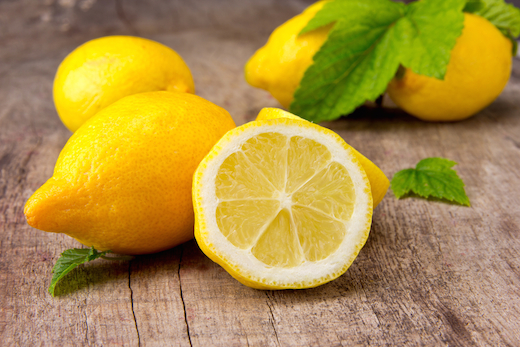
16 HEALTH BENEFITS OF DRINKING WARM LEMON WATER
Lemons are vitamin C rich citrus fruits that enhance your beauty, by rejuvenating skin from within bringing a glow to your face. One of the major health benefits of drinking lemon water is that it paves way for losing weight faster, thus acting as a great weight loss remedy.
Lemon water flushes out toxins and is extremely beneficial for the body.
Warm lemon water serves as the perfect ‘good morning drink’, as it aids the digestive system and makes the process of eliminating the waste products from the body easier. It prevents the problem of constipation and diarrhea, by ensuring smooth bowel functions.
Nutritional Value Of Lemons
Lemon, a fruit popular for its therapeutic properties, helps maintain your immune system and thus, protects you from the clutches of most types of infections. It also plays the role of a blood purifier. Lemon is a fabulous antiseptic and lime-water juice also works wonders for people having heart problems, owing to its high potassium content. So, make it a part of your daily routine to drink a glass of warm lemon water in the morning and enjoy its health benefits.Read on for more interesting information on the benefits lemon water.
16 Health Benefits Of Drinking Warm Lemon Water

Packed with all the goodness, make it a point to begin your day with a glass of warm lemon juice. Its cleansing and healing effects will have positive effects on your health in the long run. However it is very important to note that lemon juice when comes directly in contact with the teeth, can ruin the enamel on the teeth. Hence, it is advised to consume it diluted and also rinse your mouth thoroughly after drinking lemon juice.
- Lemon is an excellent and rich source of vitamin C, an essential nutrient that protects the body against immune system deficiencies
- Lemons contain pectin fiber which is very beneficial for colon health and also serves as a powerful antibacterial
- It balances maintain the pH levels in the body
- Having warm lemon juice early in the morning helps flush out toxins
- It aids digestion and encourages the production of bile
- It is also a great source citric acid, potassium, calcium, phosphorus and magnesium
- It helps prevent the growth and multiplication of pathogenic bacteria that cause infections and diseases
- It helps reducing pain and inflammation in joints and knees as it dissolves uric acid
- It helps cure the common cold
- The potassium content in lemon helps nourish brain and nerve cells
- It strengthens the liver by providing energy to the liver enzymes when they are too dilute
- It helps balance the calcium and oxygen levels in the liver In case of a heart burn, taking a glass of concentrated lemon juice can give relief
- It is of immense benefit to the skin and it prevents the formation of wrinkles and acne
- It helps maintain the health of the eyes and helps fight against eye problems
- Aids in the production of digestive juices
- Lemon juice helps replenish body salts especially after a strenuous workout session
What Are Your Favorite Ways To Use Lemons?
Source: http://www.undergroundhealth.com...
SIMILAR POSTS
11 Reasons Why You Should Drink Coffee Every Day
There really can't be any adult in this great big world that has never tried coffee. It's consumed everywhere, and judging by the amount of Starbucks locations in the United States alone, (in 2012, there were 10,924!) we love our caffeine.
And that's fine. In fact, there are many advantages to being one of the 54 percent of Americans over 18 who drink coffee everyday. Coffee can be pretty amazing for your brain, your skin and your body. Read on to discover 11 reasons you should wake up and smell the coffee...
Americans get more antioxidants from coffee than anything else.
According to a study done in 2005, "nothing else comes close" to providing as many antioxidants as coffee. While fruits and vegetables also have tons of antioxidants, the human body seems to absorb the most from coffee.
Just smelling coffee could make you less stressed.
Researchers at the Seoul National University examined the brains of rats who were stressed with sleep deprivation and discovered that those who were exposed to coffee aromas experienced changes in brain proteins tied to that stress. Note, this aroma study doesn't relate to stress by itself, only to the stress felt as a result of sleep deprivation. Now, we're not entirely sure if this means you should keep a bag of roasted coffee beans on your nightstand every night, but feel free to try!
Coffee could lessen the symptoms of Parkinson's disease.
ScienceDaily reported in 2012 that drinking coffee may help people with Parkinson's disease control their movement. Ronald Postuma, MD, the study author, said, "Studies have shown that people who use caffeine are less likely to develop Parkinson's disease, but this is one of the first studies in humans to show that caffeine can help with movement symptoms for people who already have the disease."
Coffee is great for your liver (especially if you drink alcohol).
A study published in 2006 that included 125,000 people over 22 years showed that those who drink at least one cup of coffee a day were 20 percent less to develop liver cirrhosis -- an autoimmune disease caused by excessive alcohol consumption that could lead to liver failure and cancer. Arthur L Klatsky, the lead author of the study, told The Guardian, "Consuming coffee seems to have some protective benefits against alcoholic cirrhosis, and the more coffee a person consumes the less risk they seem to have of being hospitalised or dying of alcoholic cirrhosis."
Studies have also shown that coffee can help prevent people from developing non-alcoholic fatty liver disease (NAFLD). An international team of researchers led by Duke-NUS Graduate Medical School revealed that drinking four or more cups of coffee or tea a day may be beneficial in preventing the progression of NAFLD.
Coffee can make you feel happier.
A study done by the National Institute of Health found that those who drink four or more cups of coffee were about 10 percent less likely to be depressed than those who had never touched the java. And apparently it's not because of the "caffeine high" -- Coke can also give you a caffeine high, but it's linked to depression. Study author, Honglei Chen, MD, PhD, told Prevention.com that the proposed reason coffee makes you feel good is because of those trusty antioxidants.
Coffee consumption has been linked to lower levels of suicide.
A study done by the Harvard School of Public Health determined that drinking between two and four cups of coffee can reduce the risk of suicide in men and women by about 50 percent. The proposed reason is because coffee acts as a mild antidepressant by aiding in the production of neurotransmitters like serotonin, dopamine and noradrenaline.
Coffee could reduce your chances of getting skin cancer (if you're a woman).
Brigham and Women's Hospital and Harvard Medical School followed 112,897 men and women over a 20-year period and, apparently, women who drink three or more cups of coffee a day are much less likely to develop skin cancer than those who don't.
Drinking coffee could help keep your brain healthier for longer.
Researchers from the University of South Florida and the University of Miami found that people older than 65 who had higher blood levels of caffeine developed Alzheimer's disease two to four years later than others with lower caffeine. Dr. Chuanhai Cao, a neuroscientist at the USF, and co-author of the study, said, "We are not saying that moderate coffee consumption will completely protect people from Alzheimer's disease. However, we firmly believe that moderate coffee consumption can appreciably reduce your risk of Alzheimer's or delay its onset."
Coffee may make you more intelligent.
You usually drink coffee when you are sleep-deprived, right? Well, that much-needed jolt not only keeps you awake, it makes you sharper. CNN reports that coffee allows your brain to work in a much more efficient and smarter way. TIME reporter, Michael Lemonick, says, "When you're sleep-deprived and you take caffeine, pretty much anything you measure will improve: reaction time, vigilance, attention, logical reasoning -- most of the complex functions you associate with intelligence."
Moral of the story? COFFEE IS THE BEST THING EVER. KEEP DRINKING IT.

Source Article:http://huff.to/1ccY0re
SIMILAR POSTS
4 Healthy Breakfast Swaps
If you're stuck eating the same old high-sugar, high-fat breakfast, don't get discouraged. Starting your day off right is easy with a few simple food substitutions.
Change the kind of carbs you start your morning with and you could double the amount of fat you burn during your subsequent walk or workout, according to a study from the University of Nottingham in England. Earlier research found fit athletes maximize fat burning when they switch up their carbs -- this new study, in beginning exercisers, shows the rest of us can reap the benefit too.
An added bonus: You'll feel less hungry later in the day when you eat the right breakfast, the study suggests.
The key: Choose carbs that are digested slowly -- that is, unrefined carbs that are high in fiber -- instead of ones that your body will burn fast for energy.
An added bonus: You'll feel less hungry later in the day when you eat the right breakfast, the study suggests.
The key: Choose carbs that are digested slowly -- that is, unrefined carbs that are high in fiber -- instead of ones that your body will burn fast for energy.
4 Healthy Breakfast Swaps
Instead of this: Corn, rice, wheat, or bran flakes with raisins
Eat this: Kellogg's All-Bran cereal with strawberries or peaches
Instead of this: 1/2 bagel or English muffin with jam
Eat this: A whole wheat pita with peanut butter
Instead of this: Hot wheat cereal (such as Cream of Wheat) with brown sugar
Eat this: Rolled oats with blueberries
Instead of this: Frozen waffle with syrup
Eat this:1 egg, a slice of whole wheat toast, and an apple
Eat this: Kellogg's All-Bran cereal with strawberries or peaches
Instead of this: 1/2 bagel or English muffin with jam
Eat this: A whole wheat pita with peanut butter
Instead of this: Hot wheat cereal (such as Cream of Wheat) with brown sugar
Eat this: Rolled oats with blueberries
Instead of this: Frozen waffle with syrup
Eat this:1 egg, a slice of whole wheat toast, and an apple
SIMILAR POSTS
Subscribe to:
Posts (Atom)
Find us on Facebook
Popular Posts
-
7 Worst Foods You Should Never Eat For Breakfast
-
7 Reasons You Should Start Drinking Lemon Water
-
The 10 foods you should never eat
-
The 10 Worst Foods to Feed Your Children
-
Avoid The Top 10 Toxic Rip-Offs
-
Health Reasons For Eating Foods Natural 4 the Seasons
-
5 Dangerous Gout Foods to Avoid
-
25 Ways To Flatten Your Belly
Labels
- Best Ways to Lose Weight
- bodybuilding
- bodybuilding foods
- Breakfast
- Cactus Fruits
- Coconut Oil
- Cold Soup
- Cook Potatoes
- Dangerous
- Dangerous Gout Foods
- Diet
- Diet Plan
- Drink Coffee
- Eat
- Eat with the Seasons
- Eating Fast Food
- Eating Foods Natural
- Effects of Soda
- Exercise and Workout
- fast food
- Fitness
- Fitness Enthusiasts
- fitness Pokemon
- Fitness Tips
- Flatten Your Belly
- FOOD WILL KILL YOU
- Foods
- Foods to Avoid
- foods you should never eat
- FoodsShould Never Eat For Breakfast
- Gain Weight
- get a flat stomach
- Health
- Health and Fitness
- Health And Fitness Program
- Health and Fitness Programs
- Health Problems
- Healthy
- Healthy Alternatives
- Healthy and Fit
- Healthy Breakfast
- Healthy Dinner Recipes
- Healthy Food Tips
- Healthy Foods
- Healthy Weight Loss
- Kids' Favorite Foods
- Lemon Water
- Lose Weight
- Lose Weight Without Exercise
- Managing Diabetes
- Meal
- monkey fitness
- Muscle Building
- Muscle Gains
- pavlova
- Perfect Weight Lifting
- Plan for Summer
- Poor Health
- Protein Foods
- Quantity for Breakfast
- Recipes
- Salads
- Seasons
- Soda
- Stay Healthy and Fit
- Strategies For Maximum Muscle Gains
- Summer Foods
- SWEET FOOD
- the Best Workout Program
- Toxic Rip-Offs
- Toxic Rip-Offs to avoid
- water
- Weight Lifting Program
- Weight Loss
- White Teeth
- Workout Foods
- Workout Program
- Worst Foods
- Worst Foods in America
- Worst Foods to Feed Your Children
- Yoga
- Yoga Beginner